Sizing & Product Fit
How to Choose a Cannabis Mylar Bag Size
Choose a pouch around the actual product and the space needed to fill, close and seal it. An outside dimension or a weight printed on another bag is only a starting reference.
In This ArticleA Fill Weight Is Not a Pouch Dimension
A bag marked for a certain weight describes someone else’s product and packaging choice. It does not tell you the volume, shape or handling needs of your own contents. Two products at the same weight may need different space; two pouches with similar outside dimensions may have different usable openings.
Start with the actual product or a representative product sample. Record the intended weight or count per pack, its dimensions where relevant and how the contents should sit. Then shortlist a format and candidate sizes. The CarePac sizing discussion also emphasizes product-dependent capacity and sample checks.
If the basic format is still open, read the materials and pouch-format guide first. A flat pouch and a stand-up pouch do not expand into the same shape, even if their front panels look similar.
Measure Width, Height and the Gusset Convention
Use a consistent unit and state the order of the dimensions. W × H × G is a common stand-up-pouch notation, but the letters alone do not tell you how the bottom gusset was measured. The ePac size listing is an example of the notation, not a size recommendation.
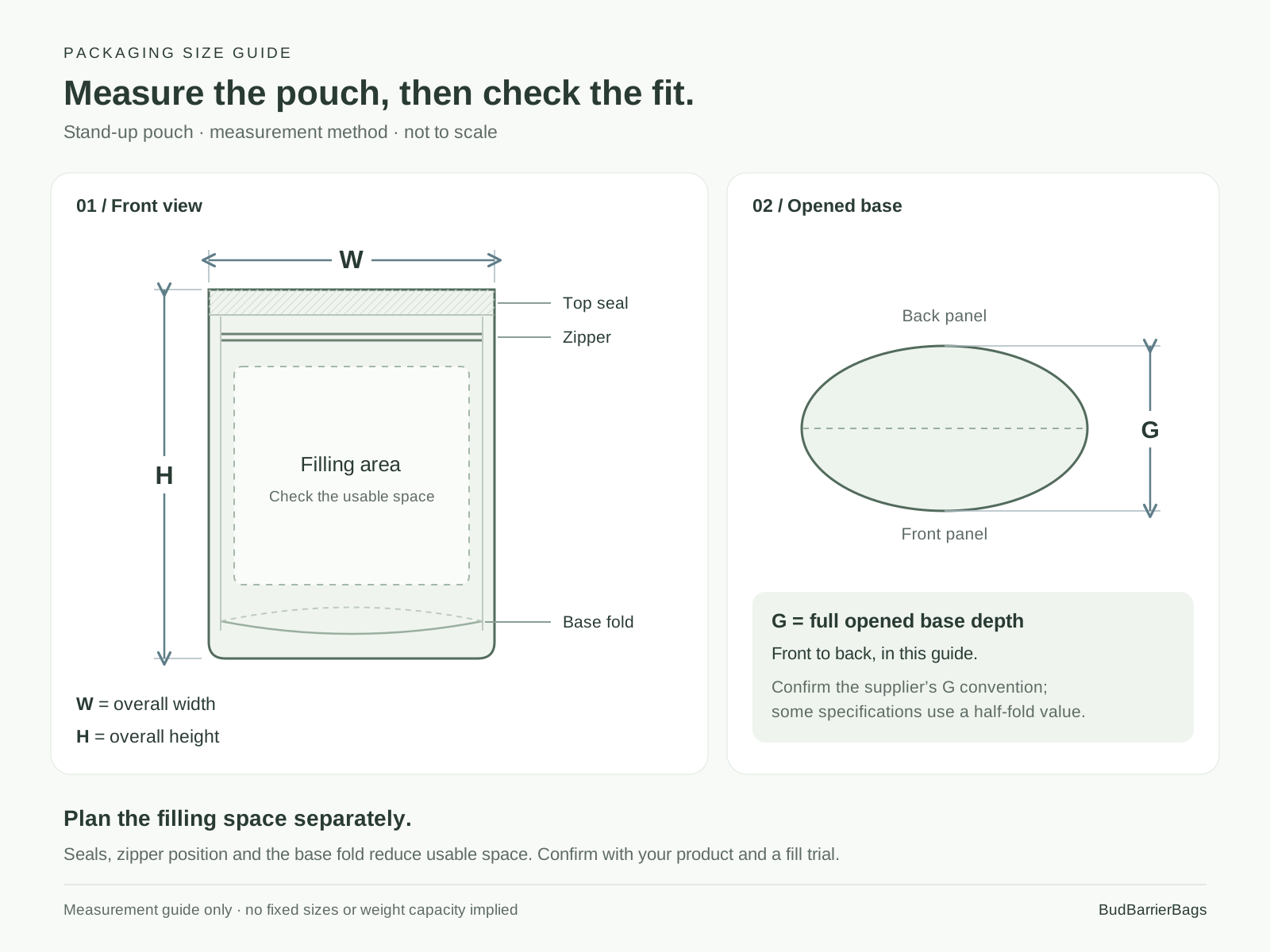
| Item | How to record it | What to confirm |
|---|---|---|
| W — overall width | Across the pouch from outside edge to outside edge, with the empty pouch laid flat. | Also record clear inner width between the side seals. |
| H — overall height | From the top outside edge to the bottom outside edge. | Locate the zipper, final seal and other areas that reduce fill space. |
| G — full opened base depth | The front-to-back depth of the opened stand-up base, as illustrated here. | Confirm whether the quoted G uses this full depth, a folded value or another convention. |
| Flat pouch | Record width and height, plus the actual seam and closure positions. | Do not add a stand-up gusset measurement to a pouch without that structure. |
The ClearBags measurement guide uses its own gusset-measurement convention. This is why a photograph of the measurement or an annotated drawing can be more useful than an unexplained third number. Keep the agreed definition with the sample and quotation.
Check the Space the Product Can Actually Use
The outside rectangle includes material that the contents cannot occupy. Side seals reduce clear width. The header, zipper and final seal affect the opening and available height. The bottom fold and filled shape also affect how the product settles.
For a simple flat-width check, subtract the measured left and right seal zones from overall width. That result is still a flat internal measurement: it is not the width of a rigid object guaranteed to fit once the pouch curves around it. Check the product through the actual opening.
Keep filling space and sealing space separate. A product may enter the bag but leave too little room to close the zipper or make a clean final seal. Record those checks independently.
Do not use a product photograph as a ruler. Perspective, folds and the product’s position can conceal the space around it. Ask for measurements in the agreed units and confirm the relevant inner dimensions on a sample or approved drawing.
Plan a Trial with the Actual Product
The following is a proposed sample-check method. The photos on this page are format references, not records of a fill trial completed for your project.
- Identify the sample. Record its size, structure, closure and revision so the result can be tied to the right package.
- Prepare the intended contents. Use the target weight or count and the product form expected in the packing process. Note any variation that could change the fit.
- Check loading. Try the intended filling direction and arrangement. Observe whether the opening is accessible without forcing the product past the zipper or seal area.
- Check closure clearance. Confirm room to close the zipper and keep the final seal zone clear of the contents. Review the actual sealing method with the packing team.
- Review the filled shape. Inspect the front, side and base. Check presentation, unwanted movement, stability where relevant and removal of the product.
- Record changes and repeat. If the size, closure, material or contents change, confirm which checks need to be repeated before the specification is approved.
Keep written observations alongside photographs. “Fits” is less useful than a note explaining how the product entered, where the filled pack became tight, whether the zipper closed cleanly and which part of the specification should change.
Use Checks That Match the Product
Flower: volume and handling
Record the target fill weight and the actual volume occupied by representative flower. Look at the space around the contents and how the pack closes without unwanted compression. Discuss expected handling and presentation rather than copying a size from a nominal weight category. See flower packaging.
Gummies: count, shape and arrangement
Measure representative pieces and record the intended count. Check how they settle, whether the proposed opening works for loading and removal, and whether the contents interfere with the closure. Product-contact and storage conditions belong in the material discussion as well as the fit discussion. See edible and gummy packaging.
Pre-rolls: length, diameter and clearance
Use overall length, maximum diameter and count, including the actual item as it will be packed. Check the intended arrangement, access through the opening and movement after closure. Confirm the space needed around the ends rather than selecting from length alone. See pre-roll bags and boxes.
Check the Filled Bag Inside Its Matching Box
A matching box should be planned around the filled, closed pouch in its intended arrangement. An empty bag lying flat does not show the bulge, base shape or closure area of the finished pack.
- Record the number of bags per box and the way they will be oriented.
- Measure the filled pouch and confirm the box’s usable internal dimensions.
- Check insertion, removal, closure clearance and unwanted pressure on the bags.
- Review how the front artwork appears when the set is presented together.
Confirm the bag before treating the box dimensions as final. See coordinated bags and boxes for the project discussion. Bag manufacture and matching-box coordination are separate parts of the same brief.
Keep a Clear Sample Record
Use the following blank record structure for each candidate. It helps your team and the supplier discuss the same sample without treating an early estimate as an approved size.
Size and fit record
- Sample reference
- Sample ID, date, structure and revision.
- Outside dimensions
- W, H and G where relevant, units, and the gusset convention.
- Usable space
- Clear width, opening, zipper position and reserved final seal area.
- Contents
- Product description, measured dimensions, target weight or count.
- Trial observations
- Loading, closure, filled shape, removal and handling observations.
- Matching box
- Bag count, arrangement, internal box dimensions and fit notes.
- Next action
- Open questions, proposed changes and what must be checked again.
You do not need every answer before contacting us. Share the known information and mark the rest as undecided. Once a size is agreed, use the artwork checklist to put the design on the correct dieline.
Questions Buyers Ask
What size bag do I need for a particular weight of flower?
Begin with the actual product, target fill weight and intended presentation. Products with the same weight can occupy different volumes, so choose candidate sizes and check samples. We do not assign a guaranteed capacity from a generic weight label or another project's photograph.
Does the gusset number mean the full base depth?
In this guide, G means the full front-to-back depth of the opened base. Supplier conventions can differ, including folded or half-fold measurements. Confirm the meaning on the actual quoted specification and dieline before comparing sizes.
Can I calculate capacity by multiplying width, height and gusset?
That calculation treats the pouch like a rectangular box. A flexible pouch has seams, a changing shape, a closure and a curved or folded base. Use measurements to shortlist candidates, then check the actual product and the intended filling and sealing process.
Can I request help before I have a sample or a final size?
Yes. Send the product dimensions if known, intended weight or count, preferred format, box needs and reference photos. Explain what is still undecided. We can discuss a starting specification and which sample checks are needed before approval.
Sources & Further Reading
General technical references for this article. Confirm the specification and print instructions for your own project.
- CarePac — Choosing a Pouch Configuration
Outside dimensions, the space used by pouch features and the importance of actual-product sample checks.
- ClearBags — Measuring a Stand-Up Zipper Pouch
Outer versus inner dimensions, the header and the need to confirm how a supplier measures the gusset.
- ePac — Stand-Up Pouch Sizes
An example of W × H × G notation; its listed sizes are not BudBarrierBags specifications.